
How to Fix a Vacuum With Low Suction or a Clog
If your vacuum has weak suction, smells hot, leaves dirt behind, or sounds different than normal, there is a good chance it has a clog or airflow restriction. Most vacuum suction problems come from blocked hoses, full bags, dirty filters, tangled brush rolls, or worn parts.
This guide from USA Vacs explains how to find and fix common vacuum clogs before replacing your vacuum. If your machine clogs constantly, it may also be time to upgrade to a better-built vacuum from SEBO or Riccar.
Start Here First
- Check the vacuum bag or dirt cup
- Clean or replace the filters
- Inspect the hose for clogs
- Check the brush roll for wrapped hair or string
- Look for blockages at the wand, nozzle, and intake
- Check belts and brush roll movement
Step 1: Check the Vacuum Bag or Dirt Cup
A full vacuum bag or packed dirt cup is one of the most common causes of low suction. Even if the bag does not look completely full, fine dust can clog the pores of the bag and restrict airflow.
Replace the bag or empty the dirt cup first. If suction improves right away, the issue was airflow restriction from dust and debris buildup.
Step 2: Clean or Replace the Filters
Dirty filters can make a vacuum feel weak even when the motor is running. Filters trap dust, allergens, pet dander, and fine debris, but once they load up, airflow drops quickly.
Check your pre-motor filter, exhaust filter, HEPA filter, and any foam or cartridge filters. Replace disposable filters and wash only filters that are clearly marked washable.
Step 3: Inspect the Hose for a Clog
Hoses often clog with hair, socks, paper, pet toys, carpet fibers, or large debris. Remove the hose from the vacuum and look through it if possible. You can also drop a coin or small object through the hose to see if it passes freely.
How to Clear a Vacuum Hose Clog
- Disconnect the hose from the vacuum
- Look through the hose for visible blockage
- Gently push debris out with a broom handle or flexible cleaning rod
- Do not use sharp tools that can puncture the hose
- Reconnect the hose and test suction again
Step 4: Check the Wand, Nozzle, and Intake
If the hose is clear but suction is still weak, check the wand, powerhead, floor nozzle, and intake opening. Clogs often form where the hose bends, where the wand connects, or where debris enters the vacuum.
Remove each section and test airflow one piece at a time. This helps you find exactly where the suction is being blocked.
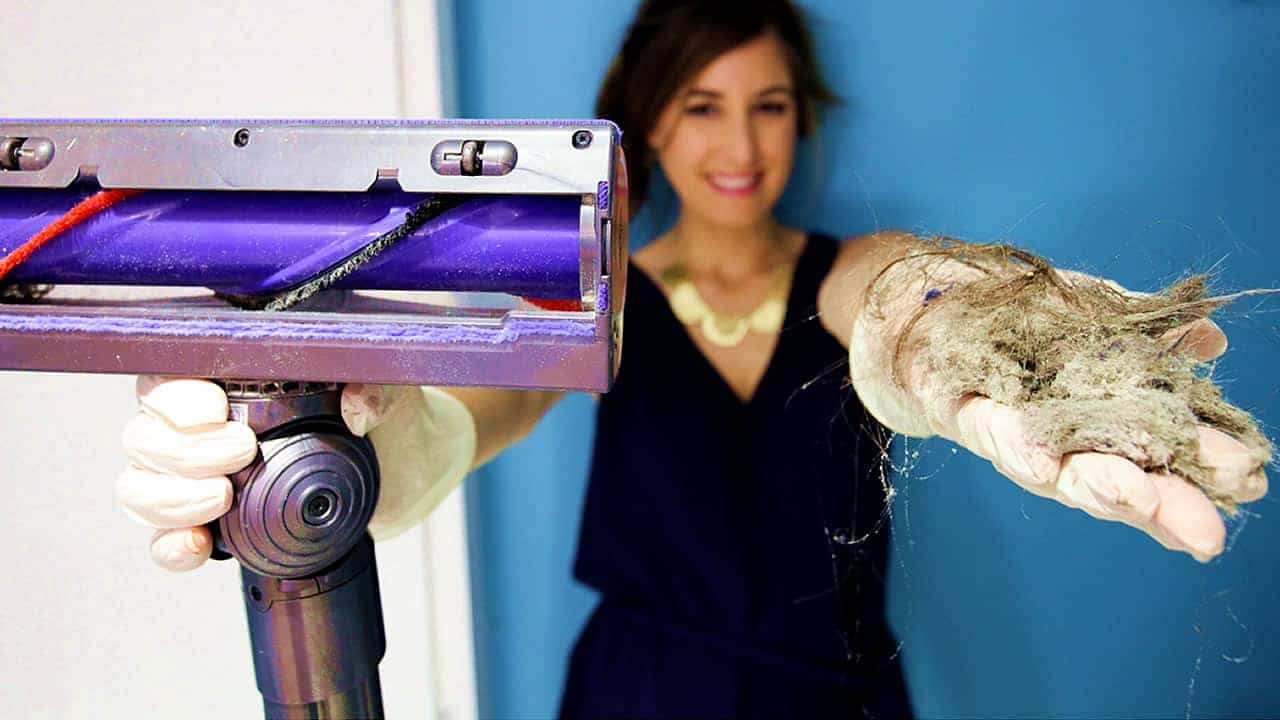
Step 5: Remove Hair From the Brush Roll
Pet hair, long hair, thread, and carpet fibers can wrap tightly around the brush roll. When this happens, the brush roll may stop spinning properly and the vacuum will not clean carpet well.
Turn the vacuum off and unplug it before cleaning the brush roll. Carefully cut away wrapped hair and check whether the brush roll spins freely.
Step 6: Check the Belt
If your vacuum uses a belt, a stretched or broken belt can make it seem like the vacuum has poor suction because the brush roll is no longer agitating the carpet. The motor may still run, but carpet pickup will be weak.
Replace the belt if it looks worn, loose, cracked, shiny, or stretched.
If Your Vacuum Keeps Clogging, Consider SEBO or Riccar
Lower-cost vacuums from big-box brands can clog more often because they may use smaller air paths, compact filters, lighter-duty brush rolls, and less serviceable designs. If you clean pet hair, carpet, long hair, or heavy household debris often, a better-built vacuum can save frustration.

SEBO Vacuums
Best overall choice for long-term durability, pet hair, carpet cleaning, filtration, and the USA Vacs SELECT™ 10/10/7 warranty program.
Shop SEBO Vacuums SEBO Upright VacuumsRiccar Vacuums
Great choice for strong carpet cleaning, pet hair pickup, lightweight daily cleaning, and premium home vacuum performance.
Shop Riccar Vacuums Shop Riccar R10CV CordlessWhen to Call for Help
If your vacuum still has low suction after checking the bag, filters, hose, nozzle, brush roll, and belt, it may have a motor issue, sealed airflow leak, cracked hose, or internal clog. USA Vacs can help you identify the problem and find the right parts or replacement vacuum.
Need Help Fixing a Vacuum Clog?
Call USA Vacs for help finding the correct vacuum bags, filters, belts, brush rolls, hoses, parts, or a better vacuum that will not clog constantly.
Call 419-819-4274